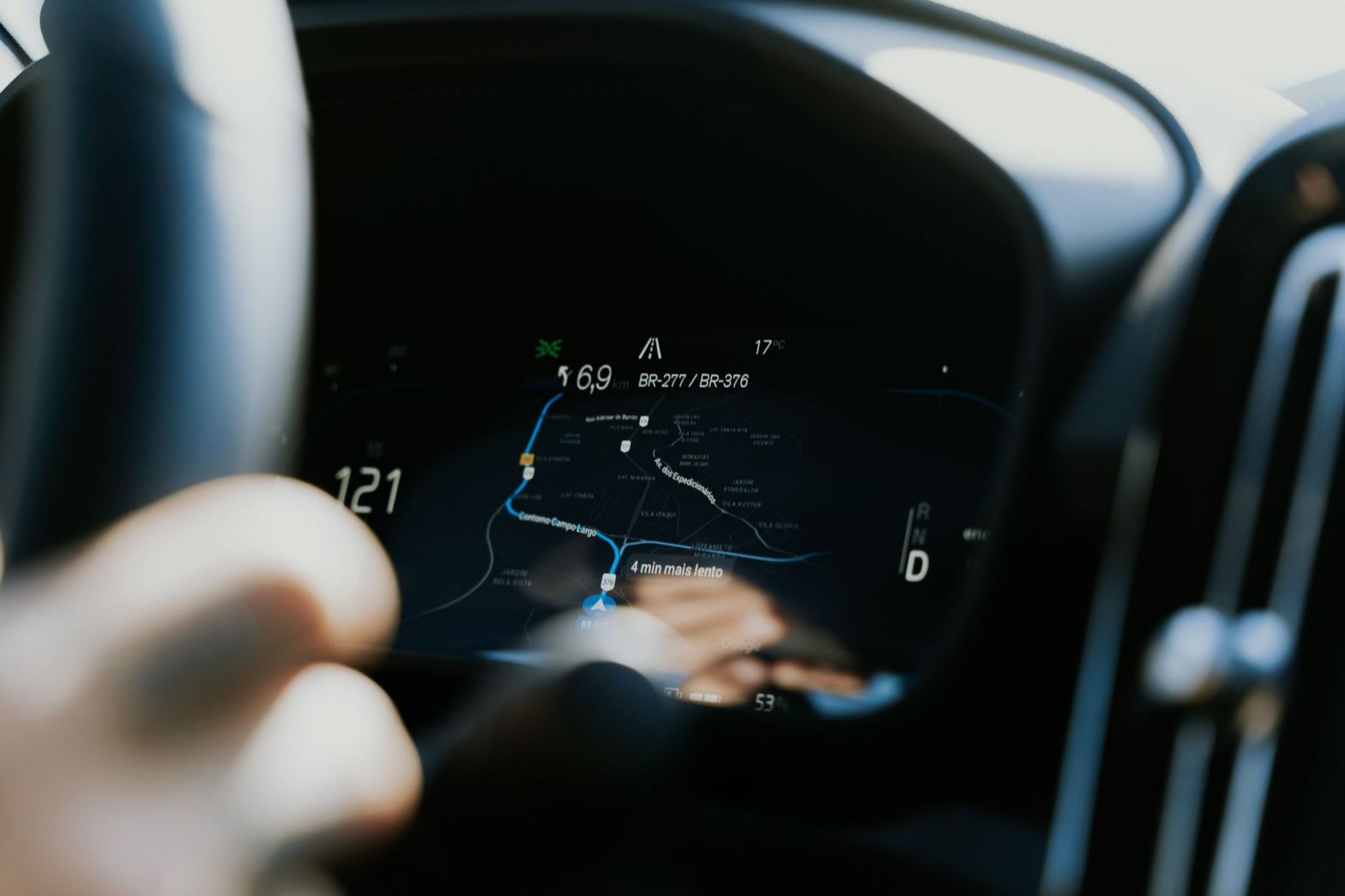
Keeping track of your vehicle can offer greater peace of mind, whether you drive a family car, own a motorcycle, or manage a fleet of business vehicles. A GPS tracker can help you monitor your vehicle’s location, review past journeys, receive movement alerts, and respond more quickly if something unexpected happens.
However, not every vehicle tracker offers the same features. Some plug into a car’s diagnostic port, while others connect directly to its electrical system or run on a rechargeable battery. Differences in tracking accuracy, mobile network coverage, subscription costs, and installation can affect how useful a device will be in everyday situations.
The best GPS tracker for your vehicle depends on what you want to monitor and how you plan to use it. This guide explains the main tracker types, the features worth paying for, the costs to consider, and common problems to check before replacing a device. With the right information, you can choose a practical solution without spending money on features you do not need.
What Is a GPS Vehicle Tracker and How Does It Work?
A GPS vehicle tracker is an electronic device that uses satellite navigation signals to estimate a vehicle’s location. Depending on the model, it may send that information to a smartphone app, store journey records, or transmit updates to an online tracking platform.
Most connected trackers use two separate technologies. GPS or another satellite navigation system helps determine the location, while a communication method, often a cellular network, sends the information to the owner.
This distinction matters. A tracker might determine its position successfully but fail to send an update if mobile coverage is unavailable. Similarly, a device may have an accurate location reading but display an outdated position if it reports infrequently.
Depending on its design, a vehicle tracker may also record trip history, monitor ignition activity, provide movement alerts, or report selected driving information. Some models can access diagnostic data from compatible vehicles.
A tracker is not a complete theft-prevention system, however. It cannot guarantee that a stolen vehicle will be recovered. It works best as part of a broader security plan that may include an alarm, an immobiliser, secure parking, and sensible vehicle security habits.
Why Should Vehicle Owners Consider a GPS Tracker?
Before comparing products, think about the problem you want to solve. That will help you identify the features that matter most.
Improve Vehicle Security
A GPS tracker can help you check a vehicle’s reported location if it goes missing. Movement alerts can also notify you when a parked vehicle starts moving or leaves a designated area, provided the device supports those functions.
These alerts may help you respond sooner, but their usefulness depends on connectivity, battery power, device placement, and reporting frequency. A tracker can also be removed or disabled, so it should not replace other security measures.
Monitor Family and Shared Vehicles
For households that share a vehicle, location history can make it easier to review journeys and confirm arrivals. Some devices also provide speeding alerts and driving reports that may help encourage safer habits.
Monitoring should be discussed openly with the people using the vehicle. Location data is sensitive, and everyone involved should understand what is being collected and why.
Manage Business Vehicles
Businesses that operate delivery vans, taxis, service vehicles, or trucks can use tracking systems to see where their vehicles are and review completed journeys.
This information can help with dispatching, route planning, and identifying unnecessary travel. Fleet owners may also benefit from a shared dashboard that displays several vehicles in one place.
Keep Track of Motorcycles and Trailers
Motorcycles, trailers, and occasionally used vehicles may be vulnerable to unauthorised movement, particularly when parked for long periods. A compact tracker with movement alerts can provide an additional layer of awareness.
For these vehicles, secure mounting, weather resistance, power options, and standby battery life may be more important than advanced driving reports.
Types of GPS Trackers for Vehicles
GPS trackers vary in how they receive power, communicate, and attach to a vehicle. Understanding these differences will help you narrow down your options.
OBD-II GPS Trackers
An OBD-II tracker plugs into a compatible vehicle’s diagnostic port, often located beneath the dashboard. It usually draws power from the vehicle and may access selected diagnostic information.
Its main advantage is simple installation. Many drivers can set up a compatible device without modifying the vehicle’s wiring. Some models also provide trip records and driving information.
The downside is visibility. Someone may be able to find and unplug the tracker, and certain devices can draw power while the engine is off. Check vehicle compatibility and power requirements before buying.
An OBD-II tracker is worth considering if you want convenient installation and basic vehicle monitoring.
Hardwired GPS Trackers
A hardwired tracker connects to the vehicle’s electrical system and is often installed out of sight. Depending on the model, it may monitor ignition activity, report power interruptions, or support additional vehicle information.
This setup suits owners who want a permanent tracking device rather than one that can be easily unplugged. It can also be a practical choice for commercial fleets.
Installation is more complex, so professional fitting may be advisable. Incorrect wiring can cause electrical problems, and the device’s performance still depends on its communication network and software service.
Battery-Powered GPS Trackers
Battery-powered models operate without a permanent connection to the vehicle’s electrical system. They are useful for motorcycles, trailers, and other assets where wiring is inconvenient.
Their main limitation is battery life. Frequent location updates and weak network conditions can increase power consumption, while low-power settings may reduce how often the device reports.
Check whether the tracker provides low-battery alerts, how it is recharged, and whether its battery is replaceable. Advertised battery life should be treated as an estimate because actual performance depends on usage and conditions.
Satellite Communication Trackers
Most everyday vehicle trackers use cellular networks to send location information. Some specialist devices can communicate through satellite networks and may be suitable for vehicles operating in remote areas.
Satellite positioning and satellite communication are not the same thing. A regular GPS tracker may receive satellite signals to determine its position but still need mobile coverage to send that position to your phone.
If your vehicle travels beyond reliable cellular coverage, check whether the device supports satellite communication and whether the ongoing service costs fit your budget.
Essential Features to Check Before Buying a GPS Tracker
Once you have chosen the right device type, compare the features that will make a real difference to your routine.
Location Updates and Tracking Accuracy
Look for a clearly stated update interval. Some devices report frequently while moving, while others provide updates less often to save power or reduce data usage.
Frequent updates are useful for time-sensitive monitoring, but they may consume more battery and mobile data. For simply checking where a parked vehicle is located, less frequent reporting may be enough.
Remember that an old location is not necessarily an inaccurate location. The device may be showing the last reported position rather than its current position.
Geofencing and Movement Alerts
Geofencing lets you draw a virtual boundary around a location, such as your home, office, or vehicle storage area. The tracker can notify you when the vehicle enters or leaves that boundary if the service supports the feature.
Movement alerts are especially useful when a vehicle should remain parked. Before purchasing, check whether alerts are included in the standard plan and whether you can adjust their sensitivity.
Trip History and Driving Reports
Trip history allows you to review past routes, stops, and journey times. This can help private owners understand vehicle usage and allow fleet managers to assess routes.
Some trackers also report speeding, harsh braking, or sudden acceleration. These features may support safer driving, but their results are not always perfect. Treat them as useful indicators rather than definitive proof of a driving incident.
Power and Tamper Notifications
A tracker may offer low-battery warnings, power-disconnection notifications, or tamper alerts. These features can be useful when monitoring a parked vehicle because they help explain why location updates have stopped.
Check which events trigger each alert. A power warning, for example, could indicate maintenance or an ordinary interruption rather than attempted theft.
App Quality and Data Privacy
The mobile application is where you will manage alerts and review vehicle information, so usability matters. Look for clear maps, straightforward settings, reliable notifications, and trip records that are easy to understand.
Also review the provider’s privacy practices. Check how location data is stored, who can access it, how long records are retained, and whether the service offers account security features.
GPS Tracker Costs: Look Beyond the Purchase Price
The cheapest tracker is not always the best value. Many connected devices require a subscription to cover cellular connectivity, application access, location history, and alerts.
Before buying, calculate the likely cost over the period you expect to use the device. Include the purchase price, monthly or annual service fees, installation, and any necessary replacement batteries or accessories.
Some trackers advertise no monthly fee, but their capabilities may differ from those of subscription-based products. Confirm how the device sends location information and which features remain available without a paid plan.
Check renewal terms, cancellation policies, coverage restrictions, and what happens when a subscription expires. These details can matter more over time than a small difference in the initial price.
GPS Tracker Recommendations: Which Options Are Worth Comparing?
The right product category depends on your needs, but comparing a few established options can help you understand what is available. Product features, pricing, connectivity, and availability vary by country, so verify the specifications for the exact model you intend to buy.
Bouncie GPS Tracker
Bouncie is worth researching if you want an OBD-II device for everyday vehicle monitoring. Its product category is suited to drivers who prefer plug-in installation and access to vehicle-related reports.
Before choosing it, confirm subscription requirements, diagnostic-port compatibility, and whether its service is supported in your location.
Vyncs GPS Tracker
Vyncs is another option to investigate when comparing location tracking, journey history, and supported vehicle information.
Pay attention to the current pricing structure, included features, activation requirements, and coverage. A feature listed for one plan or version may not be available with another.
LandAirSea 54
The LandAirSea 54 is a portable tracking device worth considering when flexible placement is more important than a permanent vehicle connection.
Check its battery expectations, mounting options, subscription costs, and performance when the vehicle stays parked for extended periods.
Tracki GPS Tracker
Tracki is an option to compare if you need a compact device that can be used across different types of assets.
Review the particular model’s network support, battery accessories, location update settings, and service requirements before making a decision.
Teltonika Vehicle Trackers
Teltonika offers tracking hardware that may be more relevant to businesses and fleet operators. Depending on the model and system, these devices can suit installations that require business reporting or integration with other fleet tools.
They may be more complex than a basic consumer tracker, so check installation requirements and software compatibility before committing.
These products are starting points for research, not universal winners. Compare devices designed for the same purpose, and prioritise the features you will actually use.
Common GPS Tracker Problems and How to Troubleshoot Them
A tracking device may occasionally stop reporting or produce information that seems incorrect. Checking the simplest causes first can save time and help you decide whether the problem needs technical support.
The Tracker Is Showing an Old Location
First, move the vehicle to an open area and allow the device time to update. Buildings, underground parking, and other obstructions can limit satellite reception, so testing outdoors helps determine whether the environment is affecting the signal.
Next, check the application’s last-update time and the device’s reporting settings. If updates are scheduled too far apart, the tracker may be working normally but reporting less often than you expect.
The Tracker Is Not Connecting
Check whether the device is powered on and whether its required subscription or SIM service is active. A tracker cannot send information through a cellular network if its connection has expired or coverage is unavailable.
If it still fails, consult the manufacturer’s status indicators and restart the device according to its instructions. This can clear a temporary connection problem without changing the installation.
The Vehicle Battery Appears to Be Draining
Some powered trackers continue drawing electricity when the engine is off. Check the device’s standby power specifications and settings, particularly if the vehicle is not driven frequently.
If the problem began after installation, have the wiring and power consumption checked by a qualified technician. This helps identify an installation issue or excessive draw rather than simply replacing the tracker unnecessarily.
Alerts Are Missing or Arriving Late
Review notification permissions on your phone and confirm that the relevant alerts are enabled in the tracking app. Background restrictions, weak mobile coverage, or incorrectly configured geofences can also affect notification delivery.
Test one alert under normal conditions after changing the settings. This helps confirm whether the issue is fixed before you rely on the notification for security.
If the tracker continues to fail, check its warranty and support options. Replacement is worth considering when the device has recurring hardware faults, no longer receives software support, or lacks essential features you now need.
Privacy and Legal Considerations
Before installing a GPS tracker, make sure you have the right to monitor the vehicle. Tracking your own vehicle for legitimate security purposes differs from secretly tracking someone else’s movements.
Rules vary by country and circumstances, especially for shared vehicles, employer-owned vehicles, and employee monitoring. Business owners should establish a clear policy and provide notice where required.
Protect your tracking account with a strong password and additional security options where available. Limit access to people who need the information, and understand how the provider stores and shares location data.
Responsible tracking protects both vehicle owners and the people who use their vehicles.
Frequently Asked Questions About GPS Vehicle Trackers
Is a GPS tracker worth buying for a car?
It can be useful if you want extra theft-recovery support, location history, or movement alerts. Its value depends on your security concerns, the vehicle’s use, and the cost of maintaining the service.
Can a GPS tracker work when the engine is off?
Yes, provided it has an appropriate power supply. Hardwired trackers may draw power from the vehicle battery, while battery-powered models use their own batteries. Check standby behaviour to avoid unexpected charging needs or battery drain.
Are GPS trackers more reliable than Bluetooth tags?
They serve different purposes. A dedicated GPS tracker can report location through its supported communication service, while a Bluetooth item finder generally relies on nearby compatible devices to relay its location. A Bluetooth tag is not a direct substitute for a connected vehicle tracking system.
Can one tracker be used in multiple vehicles?
Some portable and OBD-II models can be transferred between compatible vehicles. Hardwired trackers are intended for permanent installation. For several business vehicles, a fleet platform may be easier to manage than moving one device between them.
Can a GPS tracker guarantee vehicle recovery?
No. It can provide useful location information, but recovery depends on factors such as connectivity, whether the device remains operational, and the circumstances of the theft. Combine tracking with appropriate physical security measures.
Final Thoughts
Choosing the right GPS tracker starts with deciding what you need it to do. An OBD-II device can suit drivers who want simple installation, a hardwired tracker may be better for permanent monitoring, and a battery-powered model can offer flexibility for motorcycles and trailers. Fleet operators should also consider reporting tools and the ability to monitor several vehicles together.
Before buying, compare location-update frequency, network coverage, power requirements, app quality, subscription fees, and privacy practices. If you already own a tracker that is not working properly, troubleshoot its power, signal, settings, and service plan before replacing it.
A well-matched tracker can make vehicle monitoring easier and provide useful information when you need it. Focus on reliable everyday performance and the features that solve your specific problem, rather than paying extra for specifications you are unlikely to use.
Discover more from Auto Volt Tech
Subscribe to get the latest posts sent to your email.

