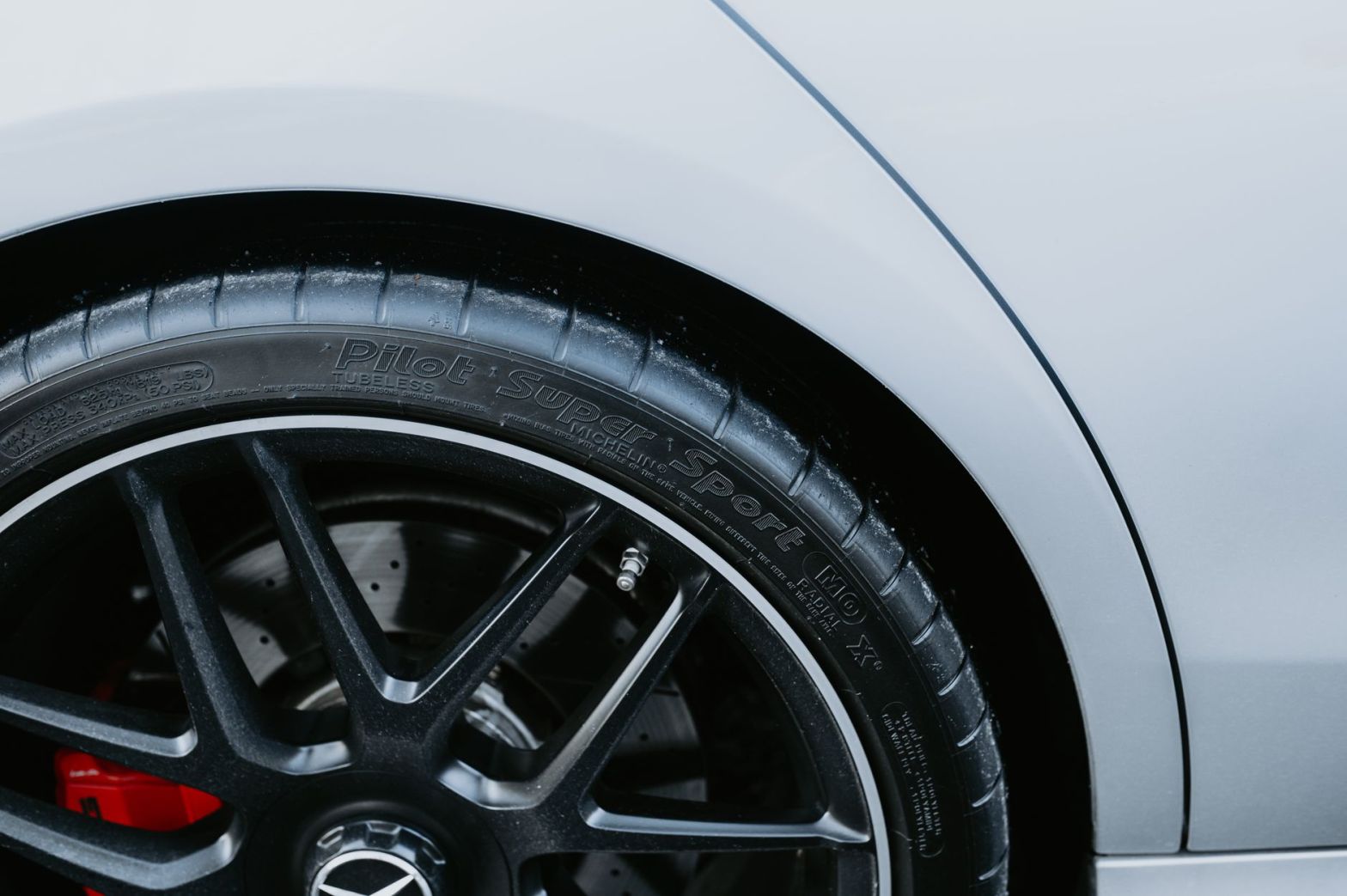
Your car’s tires affect almost every part of your driving experience. They help your vehicle grip the road, respond to steering, stop safely, and maintain stability in changing weather. When tires are neglected, even a well-maintained vehicle can become harder to control.
The good news is that looking after your tires doesn’t require advanced mechanical skills. Simple habits, such as checking tire pressure, inspecting tread depth, and watching for unusual wear, can help prevent costly problems and extend tire life.
Regular tire care also matters for fuel economy and driving comfort. Underinflated tires create more rolling resistance, while damaged or unevenly worn tires may affect handling and braking. Catching these issues early can save you money and reduce the risk of a breakdown.
Whether you drive daily or only take your car out on weekends, these practical tire maintenance tips will help you keep your tires in good condition and know when professional attention is needed.
1. Check Tire Pressure Every Month
Correct tire pressure is one of the most important parts of routine tire maintenance. Tires lose air naturally over time, and temperature changes can affect pressure readings. A tire that looks properly inflated may still be below the recommended level.
Underinflated tires flex more than they should. This increases heat buildup, rolling resistance, and wear along the tread shoulders. Severe underinflation can also increase the risk of tire failure.
Overinflation creates different problems. It can cause uneven tread wear, reduce ride comfort, and affect how the tire responds to bumps.
How to Find the Right Tire Pressure
Check the tire information label inside the driver’s door opening or consult your vehicle owner’s manual. These sources provide the recommended pressure for your car, sometimes with separate figures for front and rear tires or heavier loads.
Don’t use the maximum pressure printed on the tire sidewall as your normal target. That number generally indicates a limit under specified conditions, not the recommended pressure for everyday driving.
Use a reliable pressure gauge to check each tire when it is cold, ideally before driving or after the vehicle has been parked for several hours.
Check pressure at least once a month and before long journeys. If one tire repeatedly loses air, have it checked for a puncture, damaged valve, or leak around the wheel rim.
2. Inspect Tire Tread Depth Regularly
Tire tread helps your vehicle maintain grip, especially on wet roads. The grooves channel water away from the contact area, allowing the rubber to maintain better contact with the road surface.
As tread wears down, tires become less effective at handling standing water. This increases the risk of losing traction or hydroplaning, particularly at higher speeds.
How to Tell When Tires Are Worn Out
Look for tread-wear indicators built into the tire grooves. These raised bars become level with the surrounding tread when the tire reaches its wear limit.
A tread-depth gauge provides a more accurate measurement. Check several points across the width of each tire because wear may not be even.
The legal minimum tread depth depends on your country and vehicle category. For standard passenger-car tires in the UK, for example, the minimum is generally 1.6 mm across the central three-quarters of the tread around the entire circumference. Check the rules that apply where you drive.
However, legal compliance doesn’t guarantee the best performance in heavy rain. If your tires are approaching the minimum, consider replacing them sooner when your driving conditions demand better wet-weather traction.
Uneven tread depth can also reveal other problems. If one edge wears much faster than the other, incorrect alignment, tire pressure, or suspension issues may be responsible. Addressing the cause can help protect your replacement tires from premature wear.
3. Rotate Your Tires at the Recommended Interval
Your tires may wear at different rates depending on which wheels drive the vehicle, how its weight is distributed, and how you drive.
Front tires often wear faster because they handle steering forces and, in many vehicles, a large share of braking forces. On front-wheel-drive cars, they also transmit engine power to the road.
Tire rotation moves the tires between wheel positions according to a suitable pattern. This helps distribute wear more evenly and may extend the life of the set.
When Should You Rotate Your Tires?
Many vehicles benefit from rotation approximately every 8,000 to 12,000 kilometres, but the correct interval varies. Follow your vehicle manufacturer’s maintenance schedule.
Not every tire can be moved to every wheel position. Directional tires must maintain their specified rotation direction, while vehicles with different front and rear tire sizes may have limited rotation options.
If you notice uneven wear, don’t assume rotation alone will solve the problem. Incorrect alignment, worn suspension parts, or poor inflation may need attention first.
Scheduling tire rotation during routine servicing makes the task easier to remember and can help you identify developing problems early.
4. Check Wheel Alignment and Tire Balance
Wheel alignment and tire balancing serve different purposes, but both can affect tire life and driving comfort.
Wheel alignment concerns the angles of the wheels relative to the vehicle and road. When those angles are incorrect, tires may scrub against the road instead of rolling as intended.
Wheel balancing addresses uneven weight distribution in the wheel-and-tire assembly. An imbalance can create vibrations, especially at certain speeds.
Signs Your Wheels May Need Alignment
Watch for a vehicle that consistently pulls to one side, a steering wheel that sits off-centre when travelling straight, or uneven wear along the inner or outer edges of the tread.
Hitting a deep pothole or striking a kerb can disturb alignment. If the vehicle starts behaving differently after an impact, arrange an inspection.
Keep in mind that pulling to one side can also result from unequal tire pressure, tire damage, road slope, or brake problems. A proper diagnosis helps avoid unnecessary repairs.
When Is Wheel Balancing Necessary?
If the steering wheel, seat, or floor begins to vibrate at certain speeds, the wheel-and-tire assemblies may need balancing. Balancing is commonly performed when new tires are fitted and may be needed if a wheel weight comes loose.
However, vibration can also indicate a damaged tire, bent wheel, or suspension problem. Sudden or severe vibration should be checked promptly rather than ignored.
5. Inspect Tires for Cuts, Bulges, and Punctures
A tire can have plenty of tread left and still be unsafe. Road debris, potholes, kerbs, and age-related deterioration can damage the rubber or its internal structure.
Make a habit of walking around your vehicle and checking the visible surfaces of all four tires. Look for deep cuts, cracks, bulges, exposed cords, and objects embedded in the tread.
What Different Types of Tire Damage Mean
A bulge in the sidewall may indicate damage to the tire’s internal structure. Because this can lead to sudden failure, stop using the tire and arrange a safe replacement.
Deep cuts or exposed cords also require immediate professional attention. A tire with significant structural damage generally needs to be replaced.
Small punctures in the main tread area may be repairable, depending on their size, location, and the tire’s condition. Damage near the shoulder or sidewall is often unsuitable for repair.
If you find a nail or screw, avoid pulling it out yourself. Removing the object may allow air to escape more quickly. Have the tire assessed by a qualified technician, and don’t continue driving if it is losing pressure or appears unsafe.
Regular visual checks won’t reveal every internal problem, but they can help you spot damage before it becomes more serious.
6. Pay Attention to Tire Age
Tires deteriorate over time, even when they have plenty of tread remaining. Heat, sunlight, oxygen, storage conditions, and regular use can gradually affect the rubber.
This is especially important for vehicles that spend long periods parked. Low mileage doesn’t necessarily mean the tires are in good condition.
How to Check the Tire Manufacturing Date
Look for the tire’s date code. On tires using the DOT identification system, the final four digits indicate the manufacturing week and year.
For example, a code ending in 3524 means the tire was manufactured during the 35th week of 2024.
The date code helps establish the tire’s age, but it doesn’t determine safety on its own. A relatively new tire can still be dangerous if damaged, while an older tire may require replacement because of deterioration that isn’t obvious from tread depth.
Check the tire manufacturer’s age-related recommendations and arrange professional inspections when appropriate. If you notice extensive cracking or don’t know a tire’s history, seek expert advice before relying on it for regular driving.
7. Adjust Tire Care for Hot Weather and Rain
Weather affects both tire pressure and road grip. Drivers in hot climates need to pay attention to heat buildup, while frequent rain makes tread condition especially important.
Maintaining Tires in Hot Weather
Road temperatures can become very high in hot weather, adding to the heat generated as tires flex during driving. Correct pressure, suitable tires, and sensible driving habits help reduce unnecessary stress.
Check pressure when the tires are cold. Pressure normally rises as tires warm up, so don’t release air from warm tires simply because the reading is higher than the cold-pressure recommendation.
Before a long trip, inspect the tread and sidewalls for damage. Avoid overloading your vehicle, as excess weight increases tire stress and heat buildup.
Preparing Tires for Rainy Conditions
Before periods of heavy rain, check tread depth and look for uneven wear. Worn tread reduces the tire’s ability to channel water away from the contact patch.
If the tires are approaching their wear limit, consider replacing them before wet-weather conditions become more challenging.
Good tires cannot eliminate the risk of hydroplaning. Reduce speed in heavy rain, increase your following distance, and avoid sudden steering or braking movements to maintain better control.
8. Choose the Correct Tires for Your Vehicle
Using the right tires is just as important as maintaining them. Tire size, load capacity, speed rating, and construction all influence compatibility and performance.
Check your owner’s manual and the vehicle’s tire information label before buying replacements. A tire that fits the wheel physically may still be unsuitable for your vehicle.
Understand Tire Size Markings
A tire marked 205/55 R16 91V provides several important details:
- 205: Nominal tire width in millimetres.
- 55: Sidewall height expressed as a percentage of the tire’s width.
- R: Radial construction.
- 16: Wheel diameter in inches.
- 91: Load index.
- V: Speed rating category.
When replacing tires, match the manufacturer’s requirements for size, load capacity, and speed rating. Don’t choose a tire based on price or appearance alone.
Consider your typical driving conditions, too. Urban drivers may prioritize wet braking, comfort, and low road noise, while those who regularly use rough roads may need a tire suited to those surfaces.
A more expensive tire isn’t automatically the best choice. Compare suitable options based on safety performance, durability, warranty terms, and the conditions in which you’ll use them.
9. Don’t Ignore Your Tire Pressure Monitoring System
Many modern vehicles include a tire pressure monitoring system, or TPMS, that warns drivers when pressure falls below a specified threshold.
This feature provides useful protection, but it doesn’t replace manual checks. A warning may appear only after pressure has dropped significantly, and the system may not detect every slow leak or form of tire damage.
What to Do When the Warning Light Comes On
Find a safe place to stop and inspect the tires. If one looks flat or damaged, don’t continue driving on it.
When it is safe to do so, measure the pressure and compare it with the vehicle manufacturer’s recommendation. Inflate the tires as needed, provided they are safe to use.
If a tire repeatedly loses pressure, have it inspected rather than repeatedly adding air. If the warning remains after correcting the pressure, the system may need recalibration or further diagnosis.
Always follow the manufacturer’s instructions for resetting TPMS after tire rotation, replacement, or pressure adjustments.
10. Create a Simple Tire Maintenance Routine
Consistent checks are easier than dealing with unexpected tire problems. A simple schedule can help you remember the essential tasks without spending too much time on maintenance.
Every month:
- Check all tire pressures when cold.
- Inspect the tread and sidewalls for visible damage.
- Look for uneven wear or signs of a slow leak.
- Check the spare tire, if your vehicle has one.
Before a long journey:
- Confirm the correct pressure for your expected load.
- Check tread depth and inspect for damage.
- Make sure your spare or repair kit is ready.
- Verify that your tires meet the vehicle’s requirements.
During routine servicing:
- Rotate tires according to the manufacturer’s schedule.
- Investigate unusual wear, vibration, or steering changes.
- Check wheel alignment when symptoms suggest a problem.
- Review the condition and age of older tires.
If you notice a bulge, exposed cords, rapid pressure loss, or severe vibration, don’t wait for your next scheduled inspection. Stop driving when it is safe and seek professional assistance.
Conclusion
Good tire maintenance doesn’t need to be complicated. Checking pressure monthly, monitoring tread depth, rotating tires as recommended, and inspecting for damage can help you avoid premature wear and improve driving safety.
It’s equally important to pay attention to tire age, maintain proper alignment, and choose replacements that meet your vehicle manufacturer’s specifications. If a tire repeatedly loses air or develops unusual wear, finding the underlying cause can prevent further damage and unnecessary expense.
Start with a quick tire inspection this month. Check the pressure, examine the tread, and look for signs of damage. These small steps can help you get more from your tires and feel more confident every time you drive.
Frequently Asked Questions
How often should I check my tire pressure?
Check it at least once a month and before long journeys. Measure pressure when the tires are cold for the most accurate comparison with the recommended figures.
How long do car tires usually last?
Tire life depends on driving habits, road conditions, maintenance, climate, and tire design. Monitor tread depth and age rather than relying on a single mileage estimate.
Can I drive with a nail in my tire?
It’s best to have the tire assessed promptly. Don’t remove the nail yourself, and avoid driving if the tire is losing pressure or appears damaged.
Does proper tire pressure improve fuel economy?
Yes. Correct pressure can reduce excessive rolling resistance, helping your vehicle use fuel more efficiently while supporting appropriate handling and tire wear.
Should I replace all four tires at once?
Not always. The decision depends on the condition of the existing tires and your vehicle’s requirements. Some all-wheel-drive vehicles need closely matched tires, so check the manufacturer’s guidance before replacing fewer than four.
Discover more from Auto Volt Tech
Subscribe to get the latest posts sent to your email.

